
Tools for the people building the next generation of athletes
Sport is already doing more than we're asking it to. These resources are for coaches, educators, and program leaders who want to use it intentionally — as a learning environment, a career pathway, and a space where young people discover what they're actually capable of.
Downloadable Toolkits
A lot of what we've built, we built because no one else had built it yet. These tools come from real sessions, in real gyms, with students who told us — through their engagement or their checked-out stares — what was actually working. Take what's useful. Adapt it. Tell us what you find.
Toolkits for Your Sports and STEM Program
Helping you bring science to the field
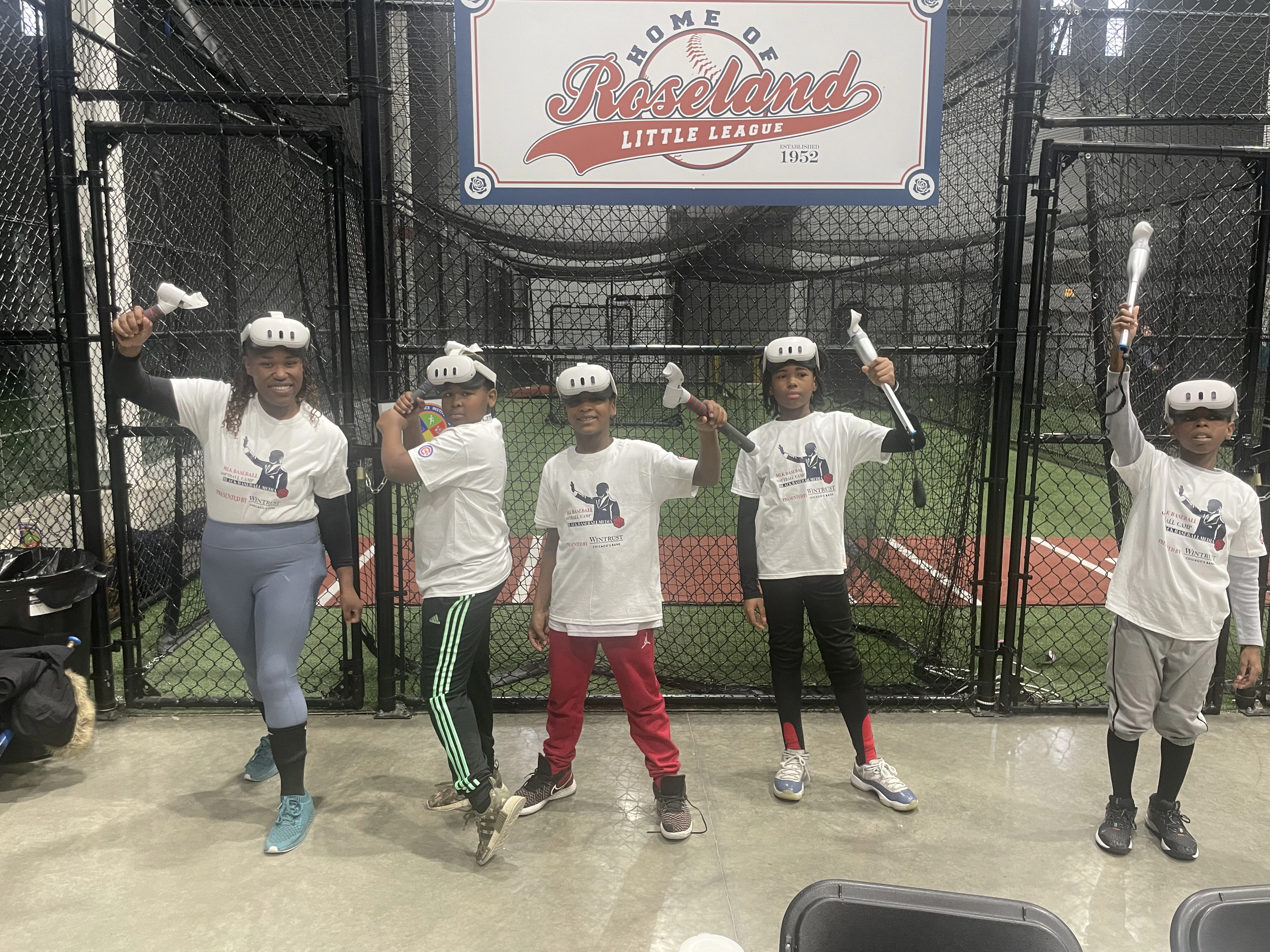
Sports analytics in the gym
A starter guide for coaches
You don't need a background in data science. You need a sport your students care about, a way to track something measurable, and a question worth asking.This guide walks through exactly how we introduced data thinking in our boxing and science program — using wearables to track punch force and speed, putting the numbers into Google Sheets, and asking students to tell us what they saw. It's been adapted across multiple sports. No prior tech experience required.
Topics covered:
How to frame data collection in practice without losing the flow
Simple tracking templates for boxing, basketball, and running (adaptable for others)
Discussion questions that connect athlete stats to real career conversations
How to introduce performance analytics without it feeling like school
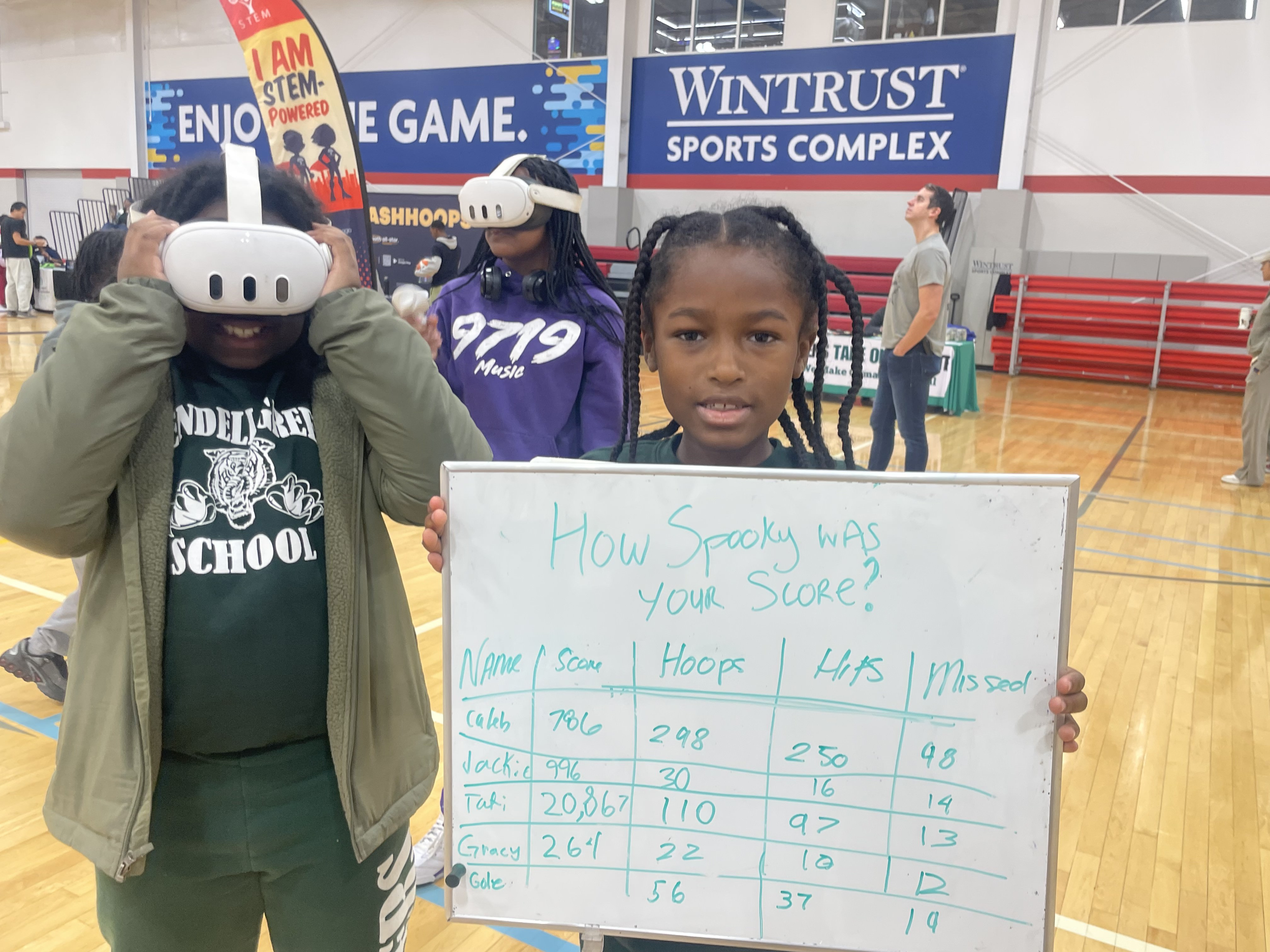
Measuring what matters
Impact documentation for sport-based learning programs
Most sport-based programs know they're making a difference. The harder part is capturing it in language that funders understand and that does justice to outcomes that don't always show up on a test. This is the framework we developed for YSSI — adapted for any organization working at the intersection of sport, learning, and youth development.
Topics covered:
Defining outcomes that are real, not just fundable
Lightweight data collection that doesn't burn out your staff
The difference between counting participation and demonstrating change
How to tell the story of a student whose shift was internal, not yet visible on paper
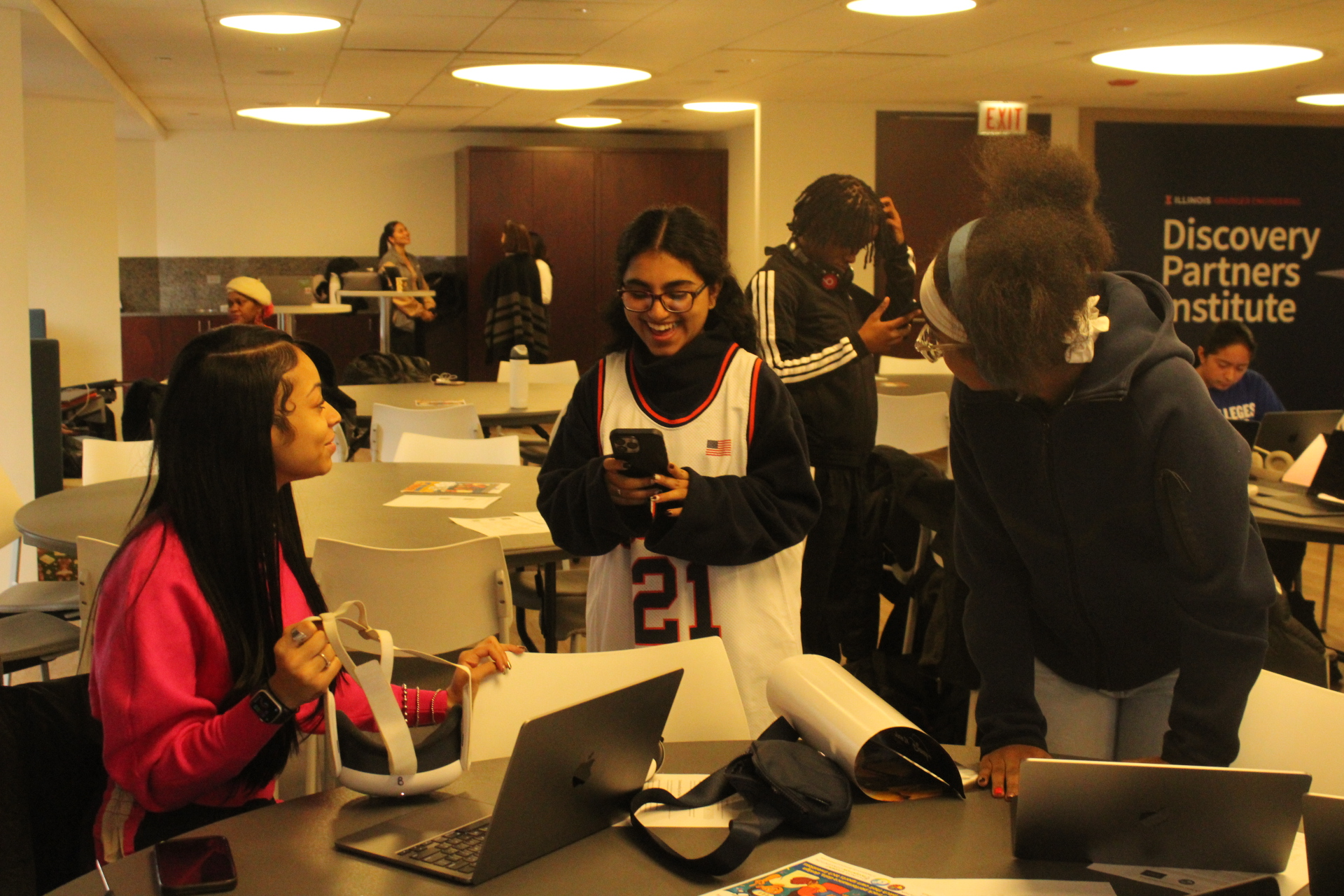
Sport as a STEM gateway
A framework for teachers and after-school educators
The conversation between what students learn in physics class and what they do in the gym is already happening — most schools just haven't connected it yet. This guide is for PE teachers, science teachers, and after-school program leaders who want to make that connection explicit and use it to reach students who don't always engage in traditional academic settings.
Topics covered:
Biomechanics through movement: force, velocity, angles in sport
Biology of performance: how muscles, joints, and the nervous system respond to training
Data literacy anchors: how to introduce collection, analysis, and visualization in PE contexts
Bridging sport interest to STEM curiosity without breaking either one
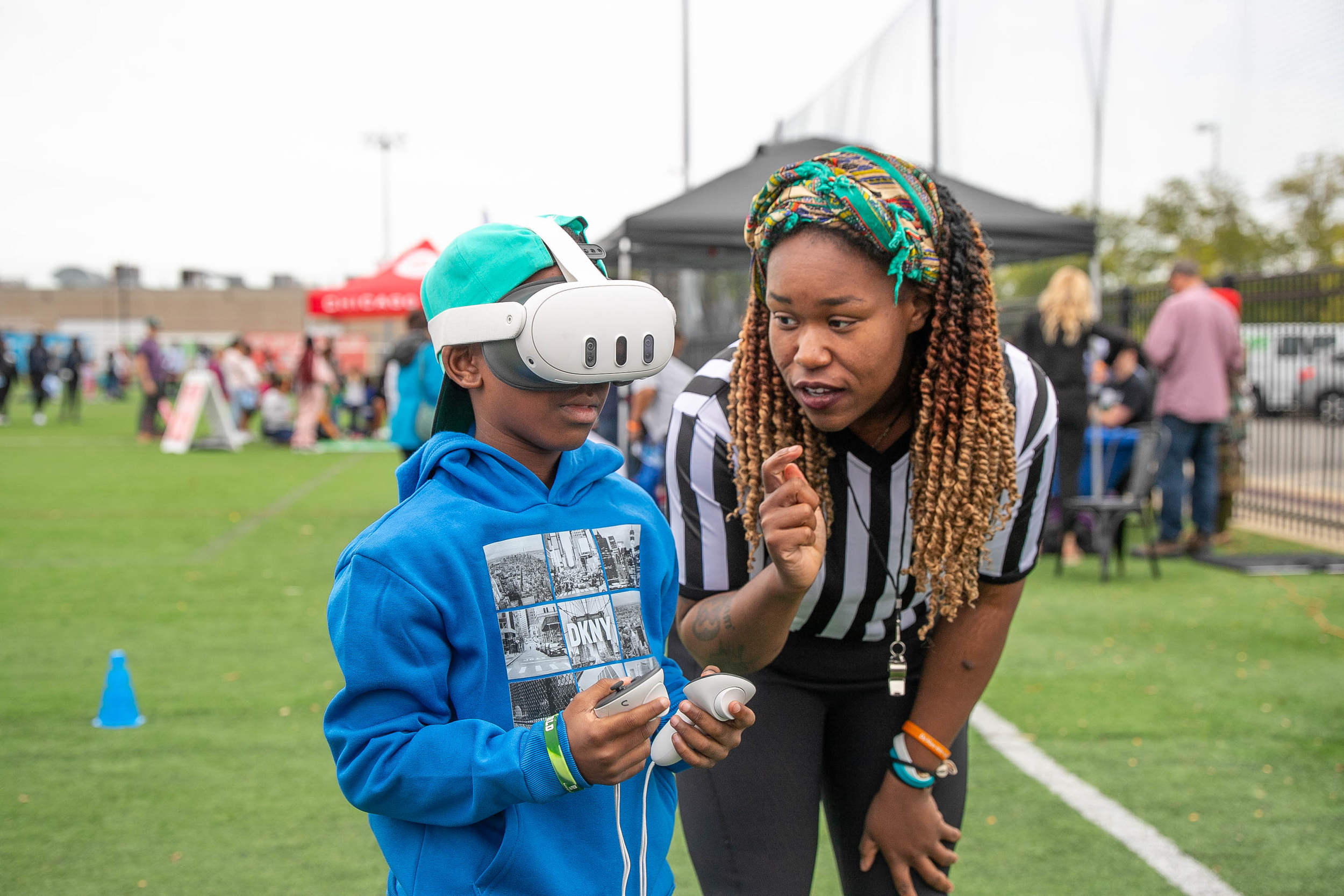
What is XR in sport?
And why does it matter for youth programs?
Virtual and augmented reality are already being used by professional teams for training, rehabilitation, and scouting. Most of our students had never touched a headset before they walked into a YSSI session. This primer explains what these tools actually do, what the research says, and how programs can introduce them in ways that are equitable and not just hype.
Topics covered:
Plain-language overview of VR and AR in athletic contexts
Current use cases: injury rehab, play visualization, reaction training
What "equitable access to sports tech" actually requires
Starting questions for programs considering XR exposure